
Maintaining a residential property is a continuous responsibility that requires a careful combination of vigilance, technical knowledge, and proactive care. A home is a dynamic environment composed of interconnected structural elements, plumbing networks, and electronic systems that endure constant wear from daily activities and changing weather conditions. Over time, minor mechanical anomalies naturally develop, ranging from loose cabinet hinges and squeaky floorboards to sluggish drains and flickering light fixtures. When homeowners overlook these subtle early warning signs, small performance issues can quickly escalate into widespread structural damage. Understanding the root causes of these household breakdowns is the first step toward preserving your property and protecting your household budget from unexpected expenses.
While some property owners attempt to address every single maintenance issue independently, managing a household requires a massive investment of time and specialized tools. Many common mechanical failures can be altogether avoided through a systematic methodology of preventative inspections and timely adjustments. Developing a routine home checkup schedule allows you to catch minor deterioration before it transforms into an emergency that requires professional intervention. By focusing on a preventative mindset, you can keep your home's core systems operating smoothly and reliably. Exploring the most frequent mechanical issues that develop across modern properties highlights how simple, consistent preservation steps can drastically reduce your dependency on urgent household fixes.
Managing Internal Plumbing Leaks
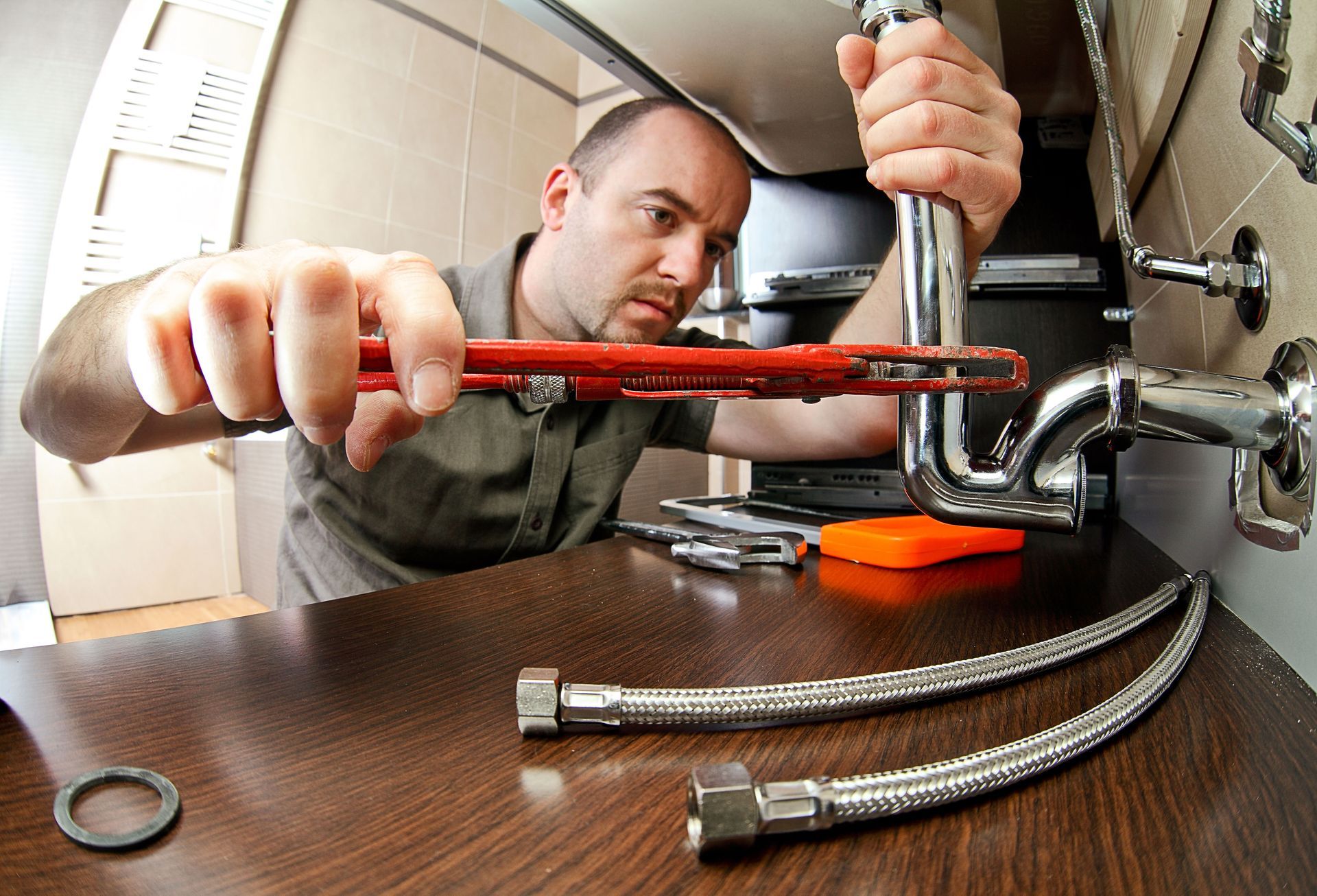
Dripping faucets, running toilets, and minor pipe leaks represent some of the most frequent mechanical anomalies that manifest within residential plumbing infrastructure. The constant friction of pressurized water running through valves gradually wears down internal rubber washers, silicone O-rings, and ceramic cartridges, leading to persistent drips that waste vast amounts of water. Similarly, aging toilet fill valves and deteriorated flapper seals allow water to continuously hiss and leak from the tank into the bowl, quietly driving up monthly utility bills. If these small leaks are left unaddressed inside vanity cabinets, the trapped moisture will rapidly rot the surrounding wooden shelving and encourage toxic mold growth.
Preventing these troublesome plumbing issues requires periodic inspections of all exposed water supply lines, shutoff valves, and under-sink traps. Homeowners should make it a habit to check the interior of all cabinets for signs of dampness, warping, or dark water stains on a regular basis. Replacing internal faucet washers and toilet flapper seals at the very first sign of a slow drip or an intermittent running sound prevents localized water damage entirely. Taking these quick, proactive steps helps you avoid the necessity of scheduling expensive emergency handyman repairs down the road. Keeping your plumbing connections clean and dry protects both your structural framing and your daily peace of mind.
Restoring Faulty Electrical Components
Modern households depend heavily on stable electrical infrastructure to power a continuous stream of digital appliances, climate control systems, and lighting networks. Over extended periods, wall outlets can become loose from repeated use, light switches can develop faulty internal contacts, and circuit breakers can trip due to overloaded electrical pathways. Managing these electronic issues requires an extreme level of caution, as improper wiring techniques pose a severe risk of accidental electrocarity or electrical house fires. Because these systems operate hidden behind drywall panels, identifying subtle wiring deterioration demands a precise diagnostic approach.
The substantial volume of electrical maintenance required to keep modern homes running safely is deeply reflected in national industry statistics. According to Future Market Insights, electrical repairs account for 29.6% of handyman repairs and maintenance in 2025. This significant percentage underscores just how frequently modern homeowners must deal with electrical wear and system updates. Property owners can successfully minimize these electrical failures by avoiding the temptation to overload individual wall circuits with bulky multi-outlet adapters and heavy appliances. Regularly checking that your ground-fault circuit interrupter outlets trip and reset properly ensures your electrical safety features remain fully functional, reducing your reliance on urgent handyman repairs to fix burned-out circuits.
Fixing Misaligned Entry Doors
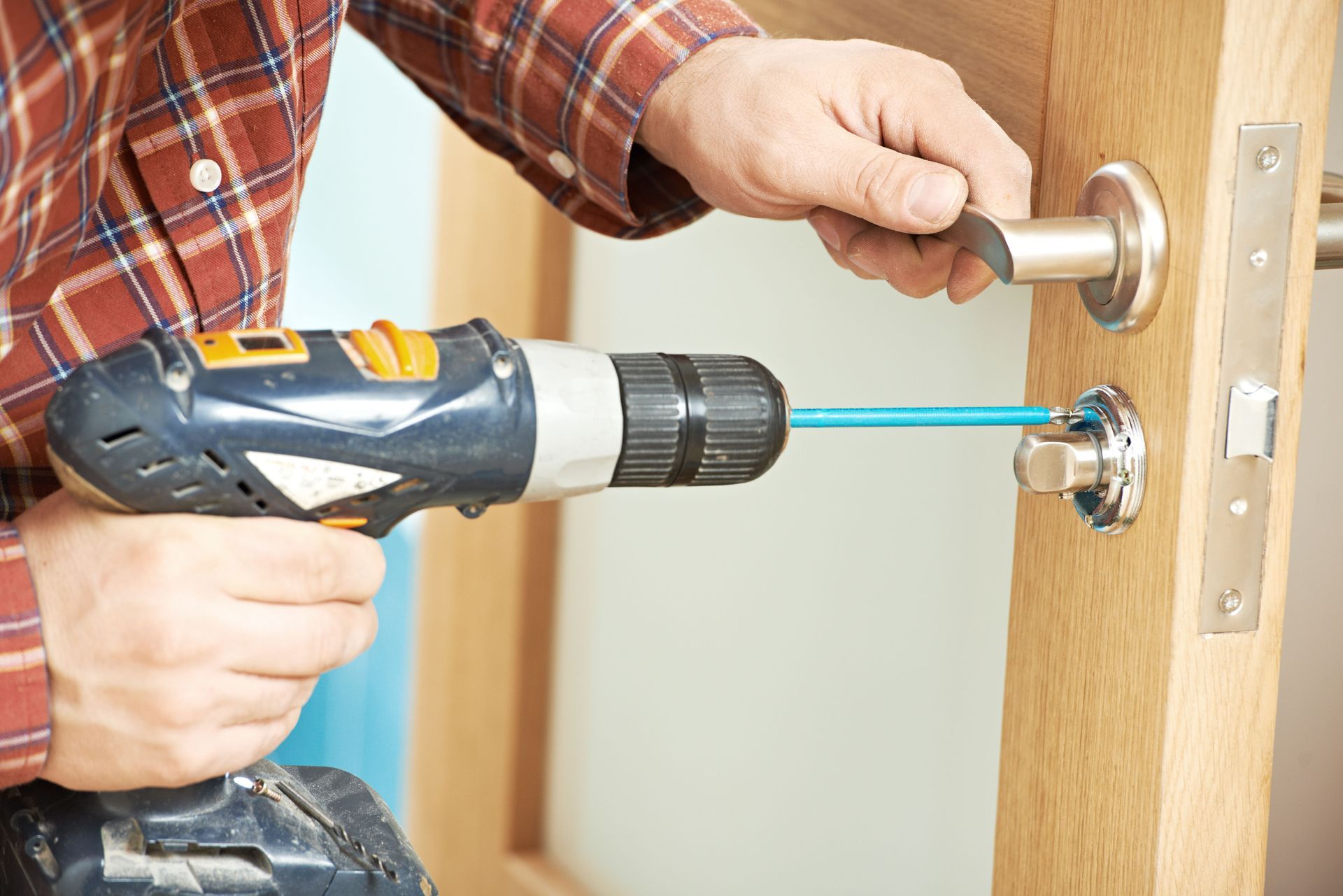
The heavy entry and interior doors of a home are subject to constant movement every single day, placing substantial stress on their metal hinges and wooden frames. As a house naturally settles into its foundation over time, or as seasonal humidity fluctuations cause wood grains to swell, doors can shift out of their exact original alignment. This shifting leads to frustrating operational issues, such as doors that rub against the upper jamb, latches that fail to click into the strike plate, or exterior doors that let in cold winter drafts. Forcing a misaligned door to close places extra physical strain on the frame, which can loosen the surrounding drywall screws.
Homeowners can easily prevent door alignment issues by periodically checking the tightness of the mounting screws inside the hinge plates. Over time, the weight of a heavy solid-wood door can cause these small screws to back out of the wooden frame, allowing the door to sag downward. Swapping out short factory screws for longer, heavy-duty structural wood screws anchors the hinge securely deep into the underlying wall studs, immediately correcting the sag. Applying a light coat of silicone lubricant to the hinge pins once a year prevents friction wear and eliminates annoying squeaks. Taking care of your doors early prevents the structural warping that frequently leads to expensive handyman repairs.
Repairing Damaged Wall Surfaces
Drywall is a relatively fragile building material that is highly susceptible to superficial cracks, deep furniture gouges, and unsightly holes from doorknobs slamming open. These wall blemishes not only compromise the visual beauty of your interior living spaces but also expose the underlying wall cavities to dust, moisture, and pests. Furthermore, minor structural settling within a new home’s foundation can cause drywall tape seams to buckle or small drywall screws to pop out of the studs. While patching a tiny nail hole is straightforward, restoring a large section of broken drywall requires a meticulous, multi-step process of taping, mudding, and sanding.
Cleaning Clogged Gutter Channels
The exterior gutter system plays an absolutely vital role in your home's water management strategy, collecting rainfall from the roof and directing it safely away from the foundation. However, windblown leaves, falling twigs, pine needles, and roof shingle granules continuously gather inside these metal channels over the course of a year. When a gutter network becomes completely choked with debris, heavy rainwater spills over the edges, pouring down the siding and pooling directly against the concrete foundation. This uncontrolled overflow leads to cracked foundations, flooded crawlspaces, and rotted fascia boards along the roofline.
Property owners should clean out accumulated organic debris at least twice a year, or more frequently if the house is surrounded by large overhanging trees. Flushing the downspouts with a garden hose ensures that water can move freely through the vertical tubes without backing up. Installing high-quality mesh gutter guards provides an exceptional barrier that keeps leaves out while allowing water to flow uninterrupted. Maintaining clear drainage paths protects your home from severe exterior water rot and prevents the need for extensive structural handyman repairs.
Keeping a residential home in peak structural condition requires a proactive commitment to consistent preventative maintenance and timely interventions. Neglecting the small warning signs of wear, from a slightly loose hinge to a slow plumbing drip, allows minor issues to quietly grow into extensive, costly home emergencies. True property preservation, daily household safety, and long-term asset value require a structured approach, specialized technical tools, and precise craftsmanship. We at The Trusted Toolbox Of Athens are completely dedicated to providing the detailed multi-point inspections, dependable maintenance services, and elite craftsmanship required to keep your home running flawlessly, ensuring your living environment remains beautiful, safe, and deeply secure through every passing season. Contact us today to learn more.

Share On: